



Popular posts
Building a plotter (part 3)
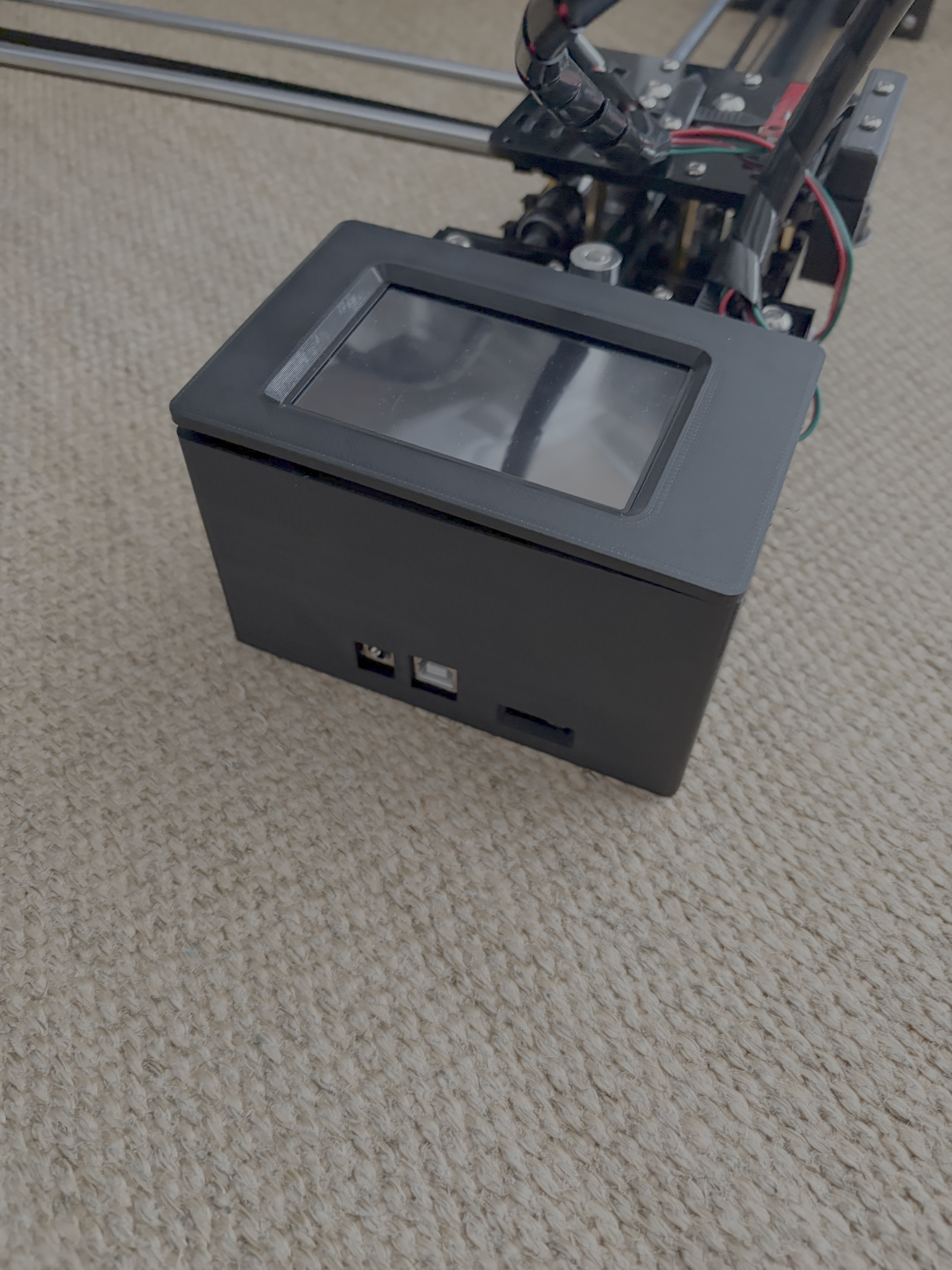
There is a problem I have been hinting at from part 1.
FluidNC does not support the touch screen on the Makerbase MKS DLC32.
There are good reasons for this. You are entitled to disagree with the reasons, but they are valid.
The number one issue is that not all of the hardware that FluidNC wants to support are powerful enough to drive a display let alone drive one that has touch.
Building a plotter (part 2)
So the Makerbase MKS DLC32 arrived. My challenge was how to mount it onto the frame and keep all the wires hidden.
Normally I would fire up OpenSCAD and get my calipers out and risk the wrath of my family while I disappear for 3 days designing the enclosure to print.
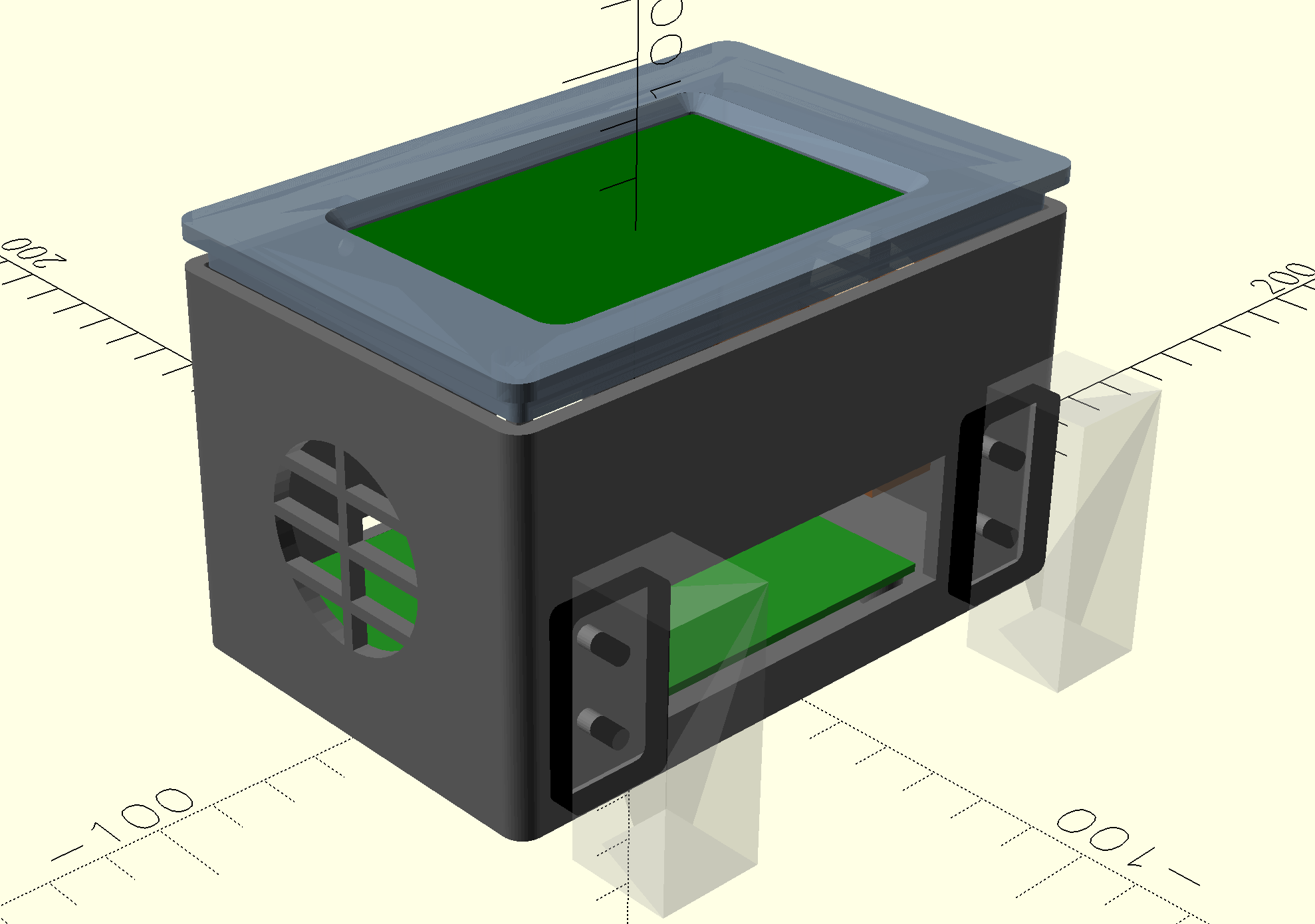
This time I said, let’s see what the LLMs can do.
Building a plotter (part 1)
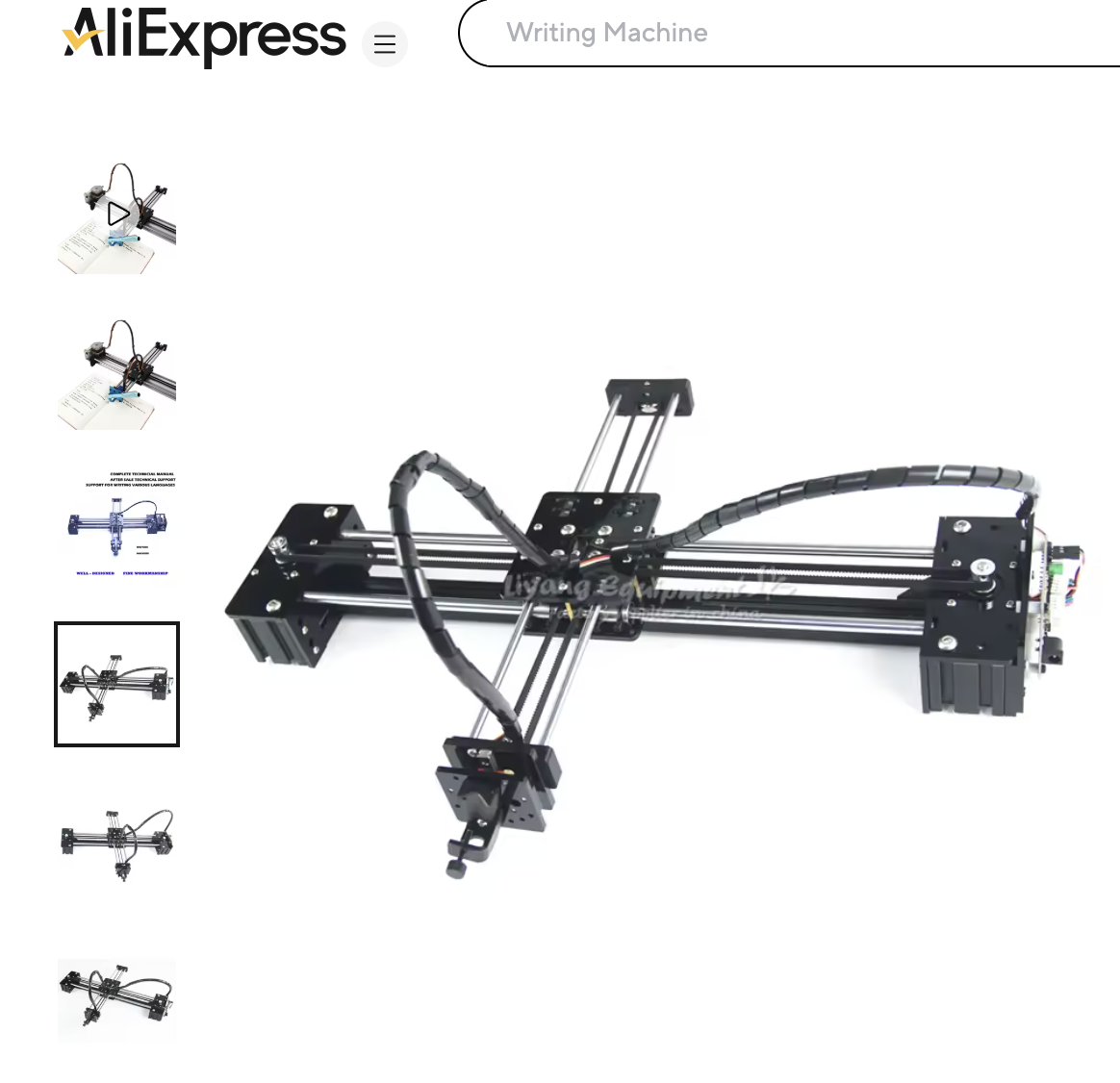
About two years ago I finally pulled the trigger and purchased a 3D printer. Now I missed the Great Fun™ part of the 3D printing hobby where you spent more time hardware hacking than actually printing. My 3D printer just works. It’s a utility. Sure I got to upgrade it from a bed slinger to a core-XY, but there was never any doubt that it would work at the end of the upgrade.
When a Kubernetes Operator Makes Sense
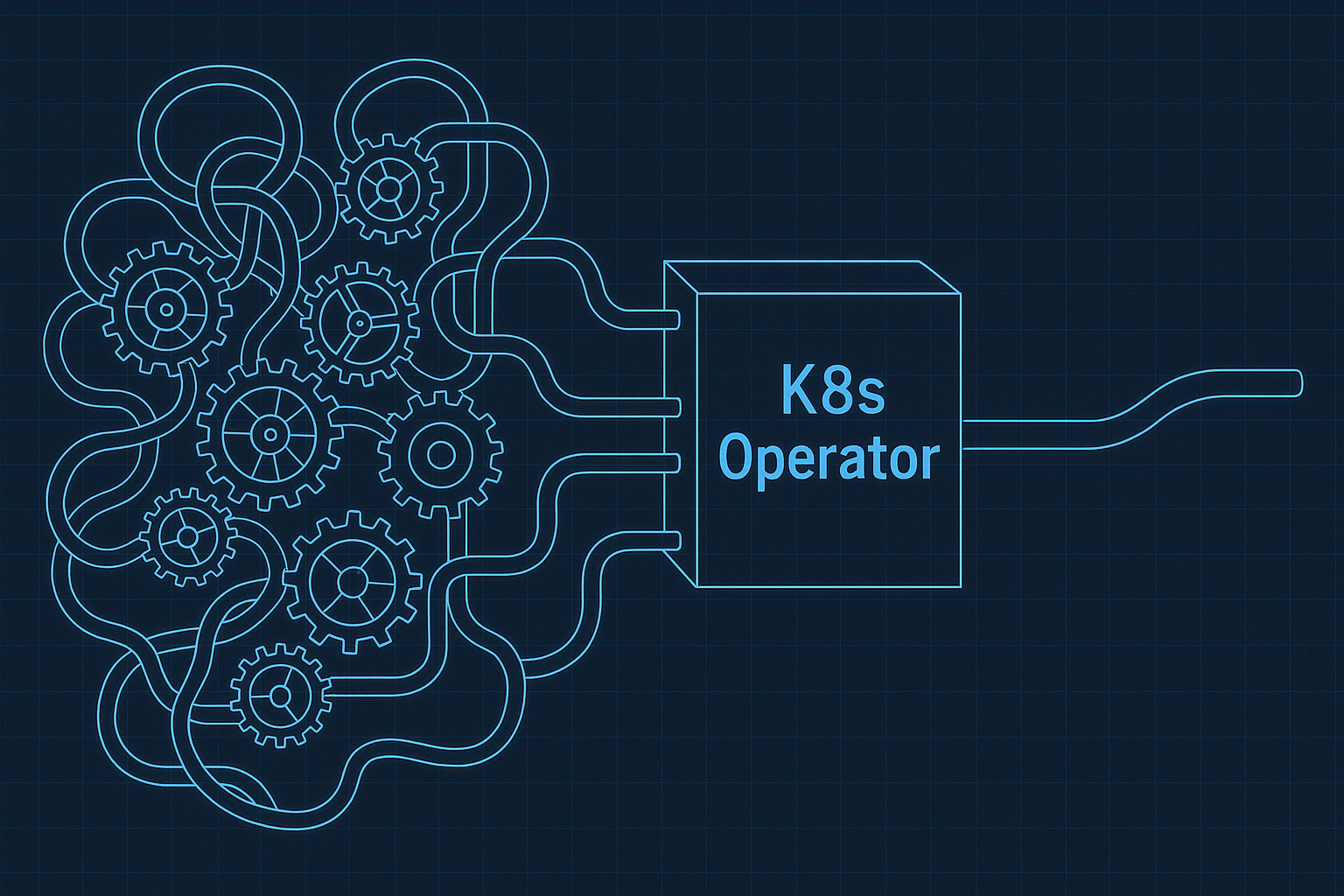
Beyond YAML: Real-World Lessons from Managing Complex Infrastructure
There are plenty of ways to deploy applications onto Kubernetes:
- raw
kubectl apply - Kustomize overlays
- Helm charts
- sidecars and init containers
- and, at the far end of the spectrum, fully-fledged operators
Most teams start at the simple end and stay there. And they should, most applications don’t need anything more complicated than a Deployment, a few ConfigMaps, and a
kubectl apply -k.kubernetes operator-pattern vault devops platform-engineering
- raw